
Leading Gas Line Service Equipment For Industry Experts
Equip your toolkit with high-performance products that support efficient and compliant gas line servicing tasks.
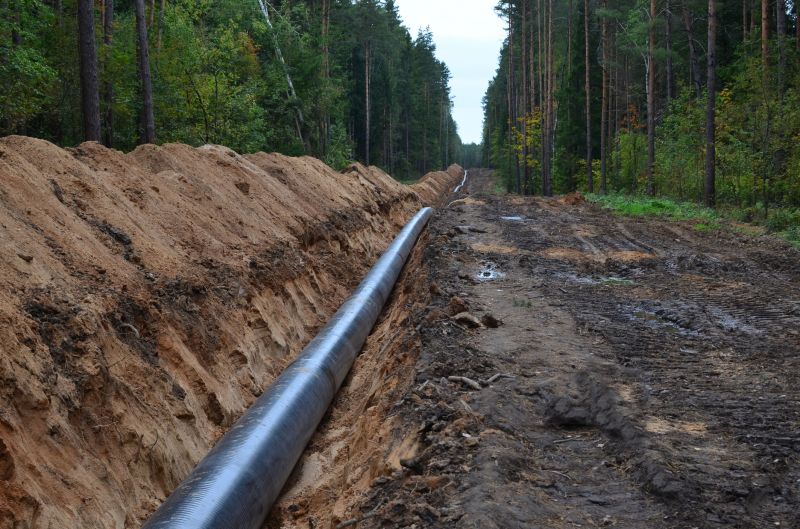 Maintaining and repairing gas lines is a critical aspect of ensuring safety and functionality in residential and commercial properties. Proper tools and equipment are essential for diagnosing issues, performing repairs, and conducting routine maintenance. Gas line service products are designed to handle various tasks such as leak detection, pipe fitting, pressure testing, and sealing. Selecting the right tools can help facilitate efficient work while maintaining safety standards.
Top Overall Option
Multi-Function Gas Line Service Kit
A comprehensive kit that includes essential tools such as leak detectors, pipe wrenches, fittings, and pressure gauges. Designed for versatility and reliability, it serves both professional technicians and dedicated homeowners. Its all-in-one nature simplifies gas line maintenance tasks, making it a popular choice for those seeking a complete solution.
Types of Products For Gas Line Service
Leak Detection Devices
Tools used to identify gas leaks safely and accurately, often including electronic sensors and soapy solution testers.
Pipe Wrenches
Heavy-duty wrenches designed for gripping and turning gas pipes and fittings during installation or repair.
Pressure Test Kits
Equipment used to check the integrity of gas lines by measuring pressure levels and detecting leaks.
Fittings and Connectors
Various fittings such as elbows, couplings, and adapters used to join or modify gas piping systems.
Sealing Compounds and Tapes
Materials used to ensure tight, leak-proof connections in gas piping systems.
Pipe Cutters
Tools designed to cut pipes cleanly and precisely for installation or repairs.
Threading Tools
Devices used to create threaded ends on pipes for secure fittings.
Gas Line Cleaners
Products or tools used to remove debris or buildup inside gas pipes to ensure optimal flow.
Vacuum Pumps
Tools used to evacuate air from gas lines during installation or repair to check for leaks.
Portable Gas Detectors
Handheld devices for detecting the presence of gas in the environment, enhancing safety during work.
Manifold Regulators
Equipment used to control and measure gas flow during testing or maintenance procedures.
Tubing Benders
Tools for shaping and bending gas tubing to fit specific configurations without damage.
Gas Line Repair Clamps
Clamps designed for temporary or permanent repairs on damaged gas pipes.
Inspection Cameras
Miniature cameras used to visually inspect the interior of gas pipes for damage or blockages.
Flow Meters
Devices to measure the flow rate of gas within a line, useful for diagnostics and testing.
Popular Choices
Widely used for quick and accurate detection of gas leaks in various settings.
Versatile tools favored for their ease of use and adaptability to different pipe sizes.
Commonly used to monitor gas pressure during testing and maintenance procedures.
Affordable and easy-to-use solutions for visual leak detection, often used in conjunction with other tools.
Popular for their portability and ease of use in various work environments.
Complete sets that include a variety of fittings and tools for quick installation or repairs.
All-in-one kits that facilitate cutting and shaping pipes efficiently.
Automated or manual tools for creating threaded pipe ends, favored for precision.
Ready-to-use packages of sealing tapes and compounds for ensuring leak-proof fittings.
Compact cameras used frequently for internal pipe inspections during diagnostics.
Devices used to assess the flow rate of gas in pipelines, aiding in troubleshooting.
When working with gas lines, safety is paramount. Using high-quality, reliable products reduces the risk of leaks and accidents. Many tools are designed to be durable and resistant to corrosion, ensuring they withstand the demanding conditions often encountered during gas line service. Additionally, ease of use and compatibility with existing equipment are important factors to consider, especially for professionals who perform regular maintenance.
From simple leak detection solutions to complex pipe fitting kits, the range of products available caters to different levels of expertise and project scope. Whether you're a homeowner undertaking minor repairs or a licensed technician handling intricate installations, having the right set of tools can make the process smoother and safer. It is also advisable to choose products that adhere to industry standards and certifications to ensure safety and reliability.
Investing in versatile and comprehensive gas line service products can help streamline your work process, reduce downtime, and enhance safety. Proper training and understanding of each tool's function are equally important for achieving the best results. Regular maintenance of your equipment will also prolong its lifespan and maintain its effectiveness over time.
Key Buying Considerations
- Compatibility with existing gas line sizes and types to ensure proper fit and function.
- Certifications and safety standards compliance to guarantee reliability and safety during use.
- Ease of operation, especially if the product will be used by non-professionals or DIY enthusiasts.
- Durability and resistance to corrosion, which are critical for tools used in potentially harsh environments.
- Versatility of the product, allowing it to perform multiple functions or tasks within gas line service.
- Portability and weight, especially for tools that need to be transported or used in tight spaces.
- Availability of replacement parts and accessories to extend the lifespan of the equipment.
- Brand reputation and customer reviews to gauge real-world performance and satisfaction.
- Compatibility with other tools and equipment commonly used in gas line maintenance.
- Ease of maintenance and cleaning to ensure long-term effectiveness.
- Cost-effectiveness, balancing quality and affordability for your specific needs.
- Availability of technical support or customer service from the manufacturer.
- Environmental conditions where the tools will be used, such as outdoor vs indoor settings.
- Training or instructions provided to ensure safe and proper use of the products.
- Warranty or guarantee terms offered by the supplier for peace of mind.